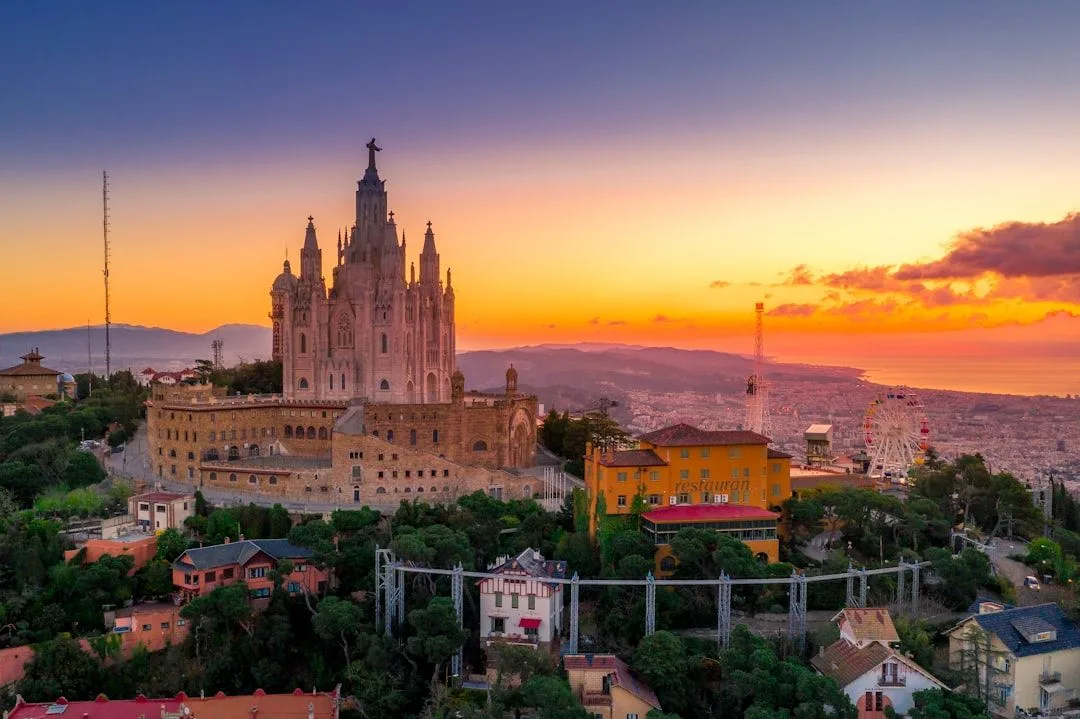
Barcelona's museums are overshadowed by its architecture, which means the best of them are quiet in a city that is otherwise at capacity.
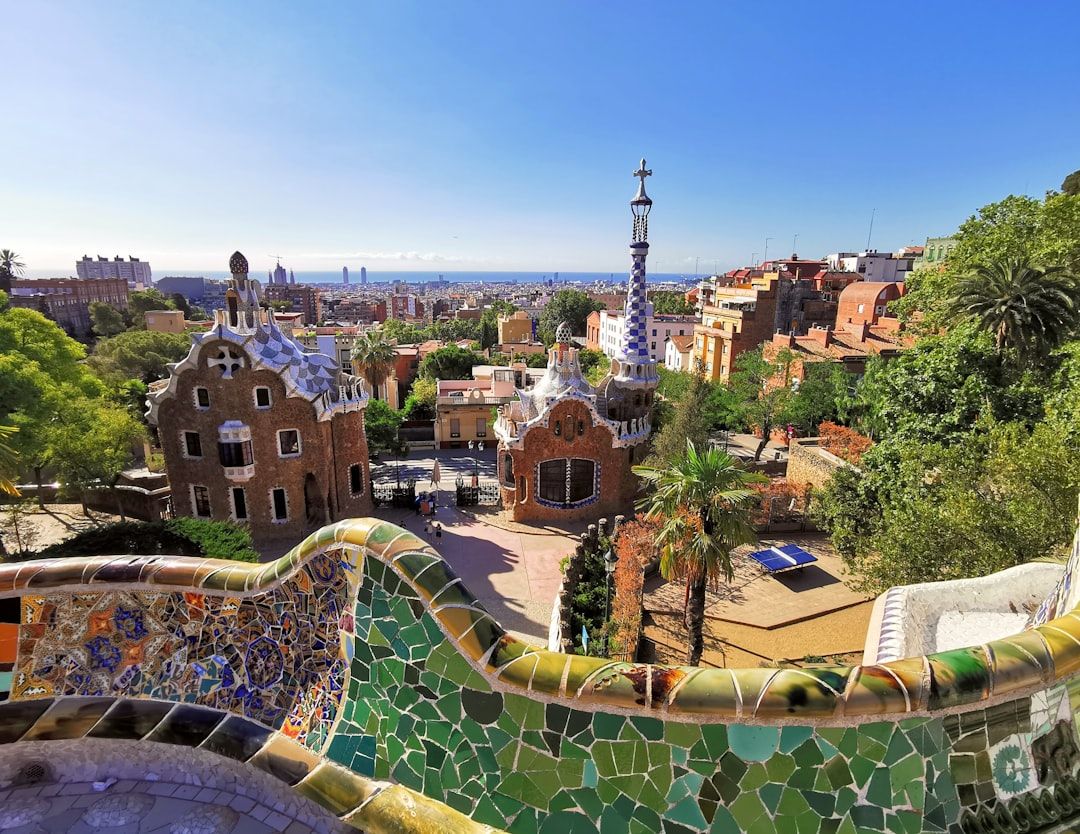
MNAC, which most visitors never reach
The National Art Museum of Catalonia, in the Palau Nacional on Montjuïc.
Its Romanesque collection is the reason to go: frescoes physically removed from Pyrenean churches in the early twentieth century — cut from the walls to save them from decay and sale — and reinstalled here in reconstructed apses of the same dimensions.
It is one of the most important collections of medieval wall painting anywhere, and it is rarely busy.
The Gothic and Modernisme collections upstairs are also strong, and the building's terrace has a view down over the city.
Fundació Joan Miró
Built specifically for Miró's work by his friend Josep Lluís Sert, on Montjuïc.
The architecture and the collection were conceived together — the building is designed around natural light, and the sculpture terrace looks over Barcelona.
One of the most satisfying museum visits in Spain, and a short walk from MNAC.
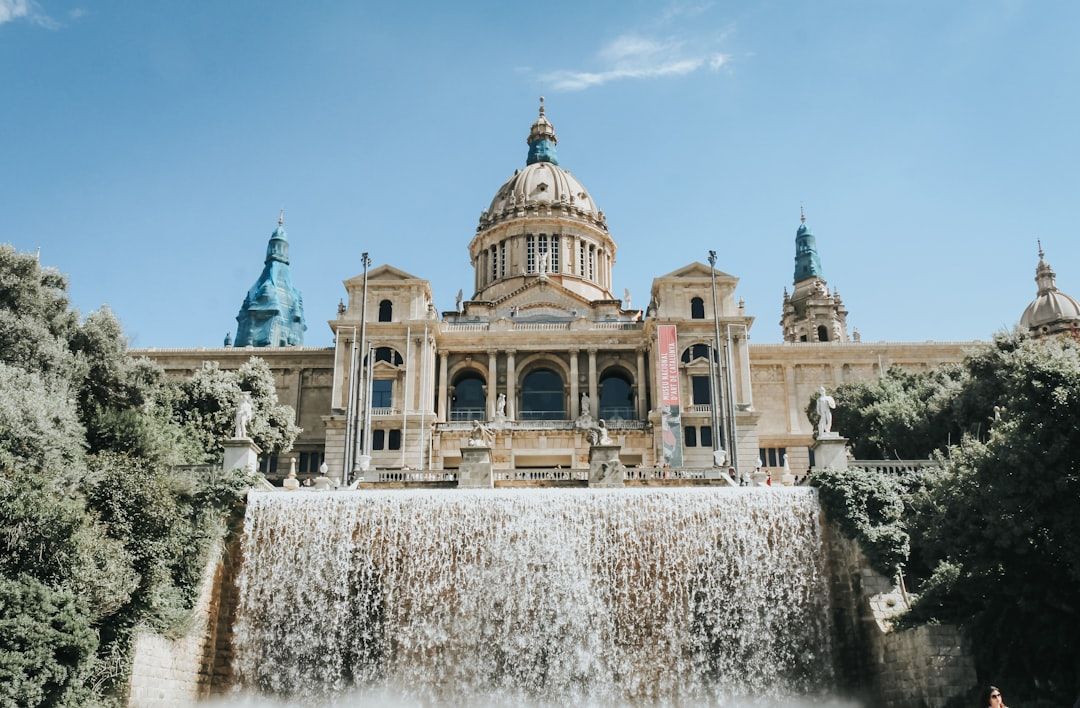
The Picasso Museum
Strong on his early work, because it draws on the years he spent in the city. The Las Meninas series is the highlight.
Weak on the famous later periods — visitors expecting Guernica-era work are frequently disappointed, and Guernica itself is in Madrid.
Set in five connected medieval palaces in El Born, which is part of the appeal. Books ahead.
The others
MACBA — contemporary art in a white Richard Meier building in El Raval, with a plaza outside that has been a skateboarding landmark for decades.
CCCB, next door, for exhibitions on urban culture and ideas rather than a permanent collection.
The Maritime Museum, in the medieval royal shipyards — the building is a Gothic hall of enormous stone arches and is worth it on its own.
The Barcelona History Museum (MUHBA) — where you descend into the excavated Roman city beneath the Gothic Quarter, streets and all.
The Frederic Marès Museum, a collector's accumulation of sculpture and everyday objects, strange and free on some days.
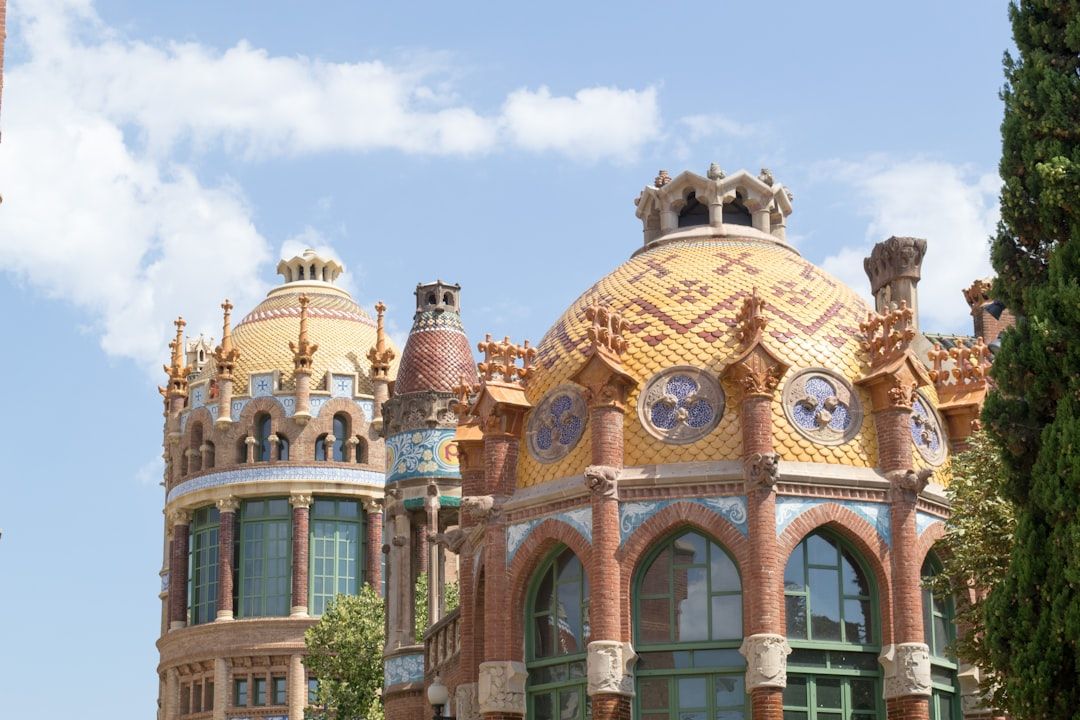
Free windows
Several municipal museums offer free entry on Sunday afternoons and on the first Sunday of the month, including MNAC.
Terms change, so check current policy — across a few days this saves a substantial amount.
A route
Montjuïc day: funicular or cable car up, MNAC in the morning, lunch, Miró in the afternoon, walk down through the gardens.
Old city day: MUHBA's Roman levels, the Maritime Museum in the shipyards, the Picasso Museum in El Born.
Neither day requires the Gaudí queues, and both are cheaper.
Practical
Most close Mondays. Plan the Gaudí sites or the beach for that day.
MNAC and Miró are on the same hill and are easily combined; the Montjuïc cable car and funicular connect to the metro.
Book the Picasso Museum; walk into the rest.