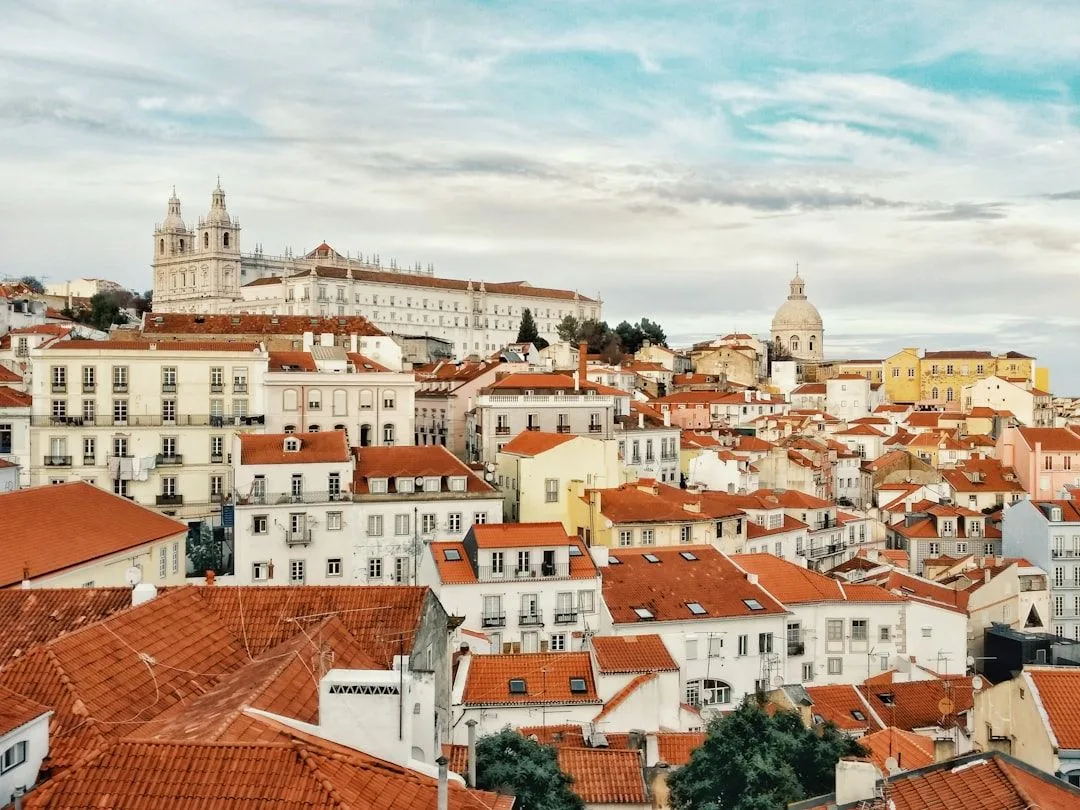
Lisbon's defining experience costs nothing. The city is built on hills above a river, and standing on top of them is the point.
The miradouros, by hour
Each faces a different direction, so the time of day matters more than any ranking.
Morning — Santa Luzia and Portas do Sol, looking east over Alfama's roofs to the river, with the sun behind you.
Late afternoon — São Pedro de Alcântara in Bairro Alto, facing the castle across the valley as the light turns.
Sunset — Senhora do Monte, the highest, and Graça just below it. Arrive early; both fill.
Evening — Santa Catarina, over the river, where the young crowd sits on the wall.
Several have kiosks selling beer for around €2.
The neighbourhoods
Alfama — the pre-earthquake quarter, a maze of lanes with washing strung between windows. It survived 1755 because of the rock beneath it.
Getting lost is the activity. It is residential, so evenings are quiet and mornings have people going about their lives.
Graça and Mouraria, above it, less visited and more lived-in. Mouraria is where fado originated.
The Baixa grid, rebuilt after the earthquake to an early seismic-resistant design — the buildings sit on a timber cage.
Bairro Alto by day is quiet and by night is the drinking district.
The water
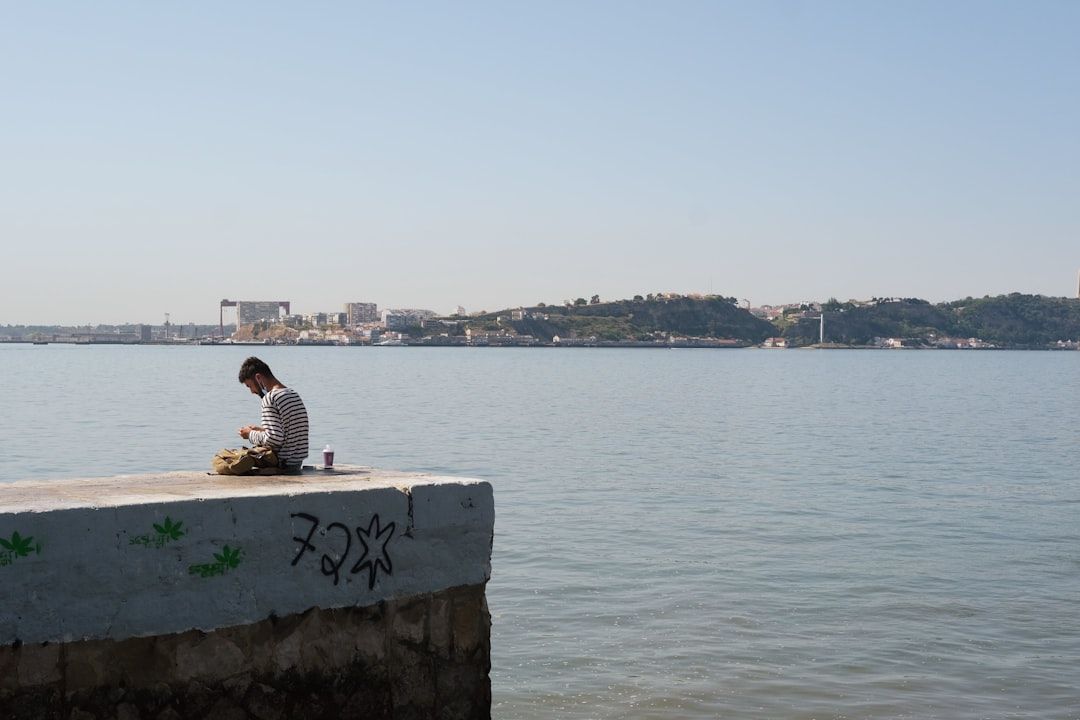
The riverside walk from Cais do Sodré to Belém — flat, long, and with the bridge overhead.
Praça do Comércio, the great arcaded square opening onto the water.
The ferry to Cacilhas across the Tagus, which is public transport and gives the best view back at Lisbon. Walk along the far shore afterwards.
The trams, which are transport
Not attractions with separate tickets — a Viva Viagem card or an ordinary fare covers them.
That includes the funiculars — Glória, Bica, Lavra — and the Elevador de Santa Justa, which many visitors pay tourist prices for at the queue without realising.
Take tram 12 rather than 28. Similar ground, a fraction of the crowd, and the 28 is the city's main pickpocketing location.
Free or nearly
Several national museums have offered free Sunday mornings, with terms that change. Worth checking before buying.
The Gulbenkian gardens are free even when the museum is not.
LX Factory, a converted industrial complex under the bridge, free to wander.
Estufa Fria, the greenhouse garden in Parque Eduardo VII, for a small fee.
Feira da Ladra, the flea market in Alfama on Tuesdays and Saturdays.
The one worth paying for
The National Tile Museum. Modest entry, and it is the museum that explains the city — five centuries of azulejo production, including a 23-metre panel showing Lisbon's waterfront before the earthquake.
Once you have seen it, the tiled facades across Graça read differently.
Practical
The hills are steeper than photographs suggest, on polished calçada paving that is slippery in rain. Shoes with grip.
The couvert — bread and olives brought unasked — is charged. Refusing it is normal.