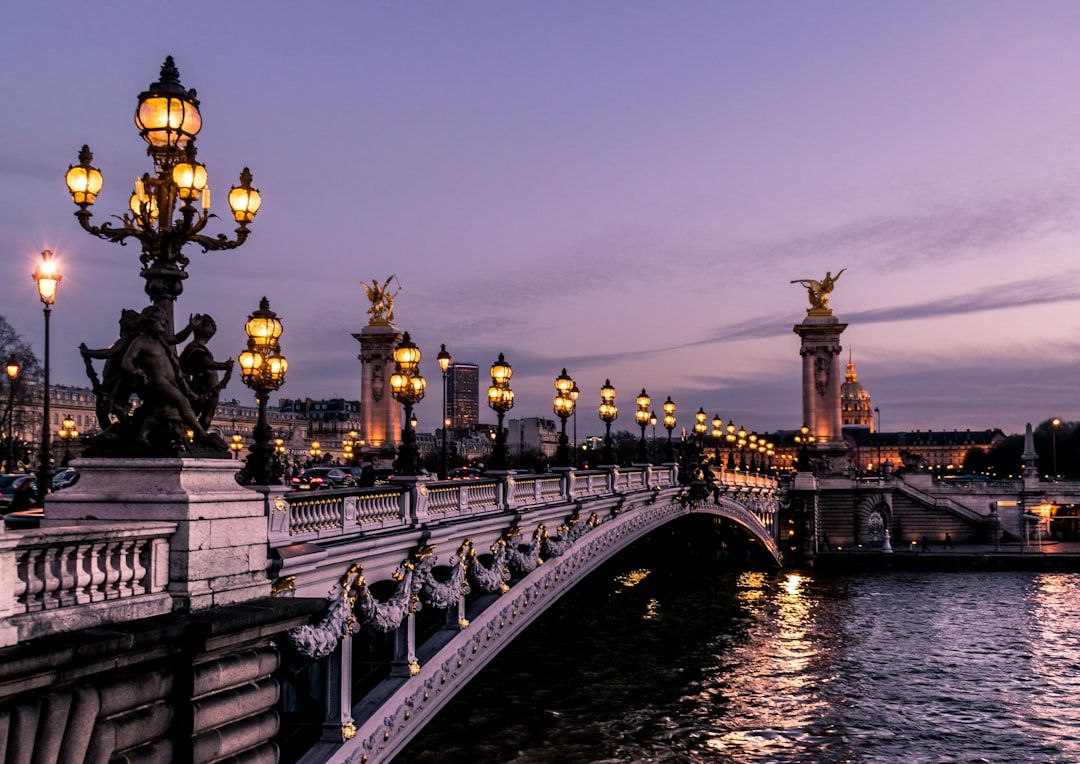
Paris's landmarks are photographed constantly and explained rarely. Several were built for reasons that surprise people, and knowing them changes what you are looking at.
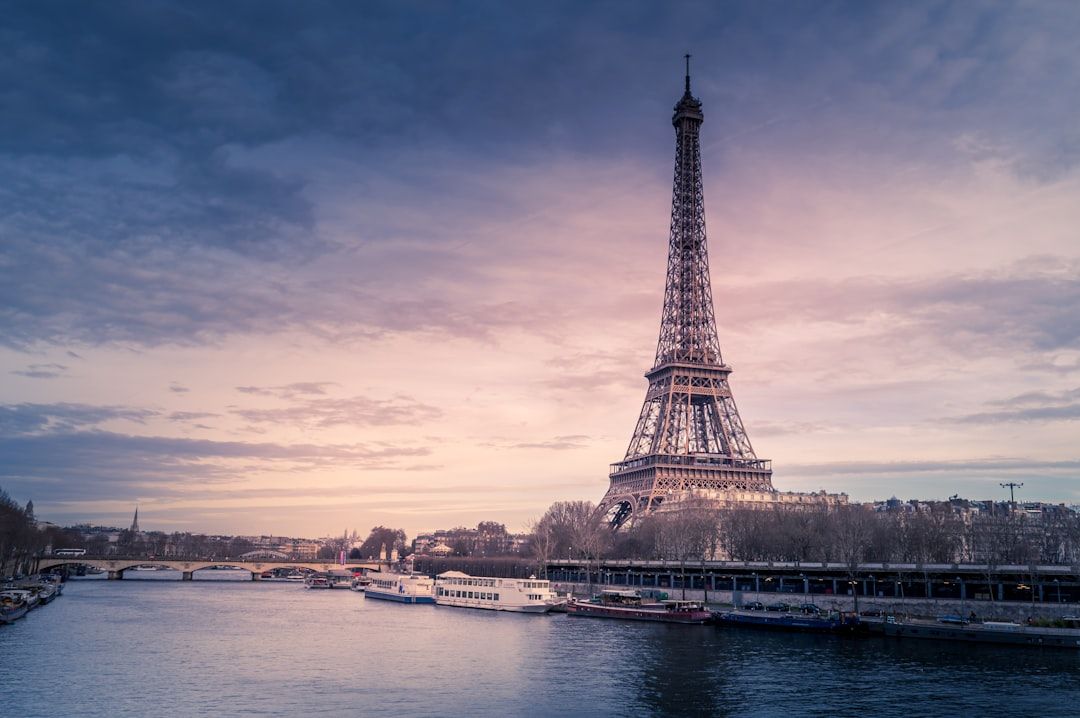
The Eiffel Tower was meant to come down
Built for the 1889 World's Fair on a permit lasting twenty years, after which it was to be dismantled.
It survived because it turned out to be useful as a radio transmission mast — which is why an antenna still sits at the top, and why the structure was kept when the permit expired.
It was also widely hated by Parisian artists and writers at the time, who published a formal protest against it.
Visiting: the second level gives the better city view, since you can see the streets and the tower's own ironwork. The summit is higher and more distant. Book ahead; the summit sells out.
The Arc de Triomphe
Commissioned by Napoleon after Austerlitz and finished long after his fall, in 1836.
The Tomb of the Unknown Soldier beneath it dates from 1921, and its flame is rekindled every evening in a ceremony that still takes place.
The rooftop is the best view in Paris, because it contains the Eiffel Tower and shows the twelve avenues radiating outward — Haussmann's design is only legible from above.
Reach it by the underground passage. Crossing the traffic circle is not survivable advice.
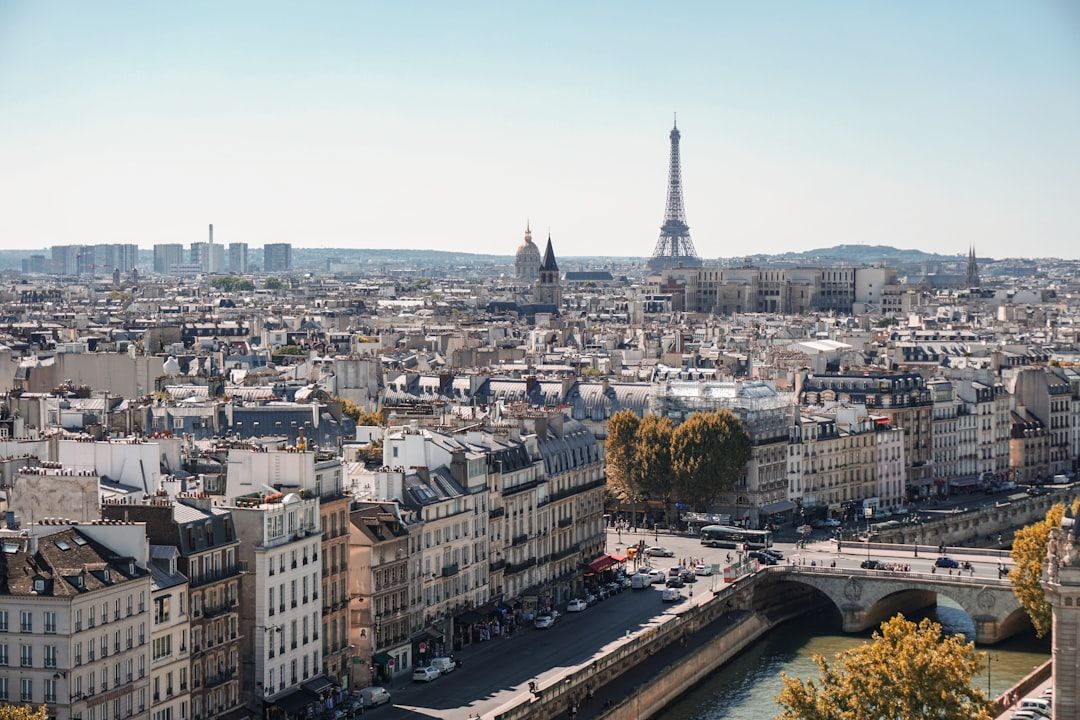
The Panthéon changed sides repeatedly
Built as a church dedicated to Saint Geneviève, converted during the Revolution into a mausoleum for national figures, and switched back and forth several times as French politics changed.
It now holds Voltaire, Rousseau, Hugo, Zola, Marie Curie and others.
Foucault's pendulum hangs beneath the dome — the 1851 experiment that demonstrated the Earth's rotation to the public.
Sacré-Cœur was an act of penance
Built following France's defeat in the Franco-Prussian War and the Paris Commune of 1871, funded largely by public subscription.
Its position on Montmartre — above the district where the Commune began — was deliberate, and was politically contested at the time and afterwards.
The white stone self-cleans: it contains calcite that whitens in rain, which is why it never darkens like the rest of Paris.
Free to enter. The dome climb charges and gives a view second only to the Arc.
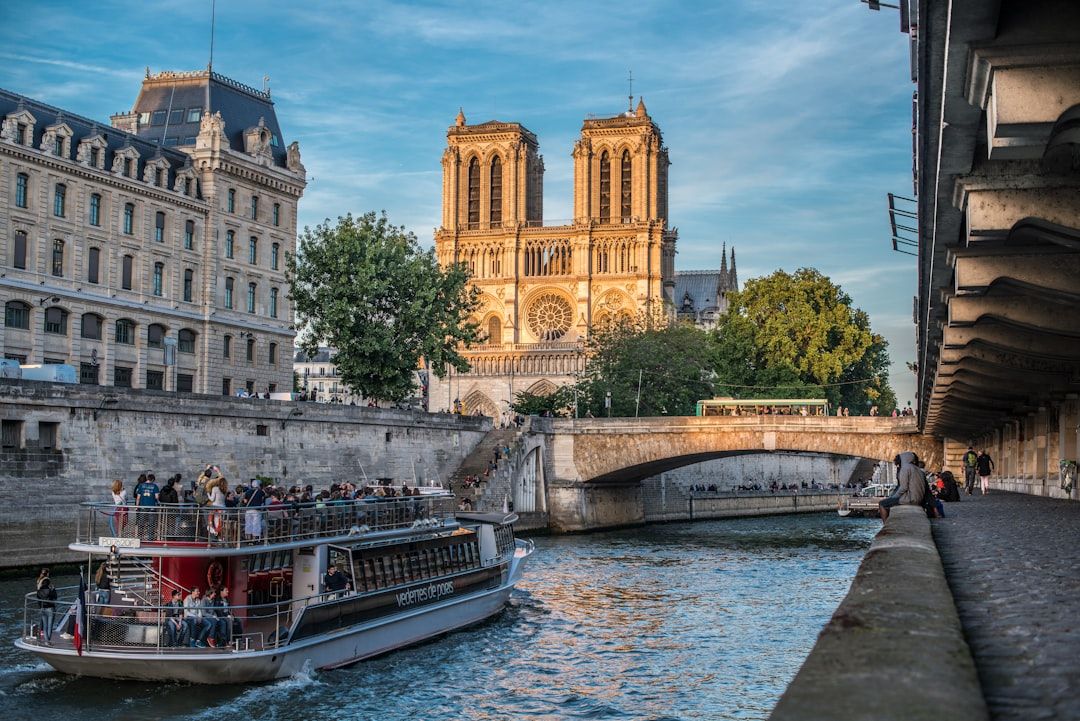
Notre-Dame has been rebuilt repeatedly
Begun in 1163, largely complete by the mid-thirteenth century, and substantially altered since.
The spire lost in the 2019 fire was a nineteenth-century addition by Viollet-le-Duc, whose restoration was itself an interpretation rather than a recovery.
The building has been damaged, neglected, restored and reimagined across eight centuries. The current work is another chapter rather than an aberration.
The Louvre was a fortress
Begun as a defensive castle in the twelfth century, expanded into a royal palace, and turned into a public museum by the Revolution in 1793.
The medieval foundations are visible in the basement — the original moat walls, which most visitors walk past.
The glass pyramid, added in 1989, was as controversial as the Eiffel Tower had been.
Practical
Free: Sacré-Cœur's interior, Notre-Dame's exterior and square, the Louvre courtyard and pyramid at night, the Eiffel Tower from the Trocadéro or the Champ de Mars.
Ticketed: Eiffel Tower levels, Arc rooftop, Panthéon, Sacré-Cœur dome, the Louvre interior.
Under-18s and EU residents under 26 enter national monuments free or reduced.