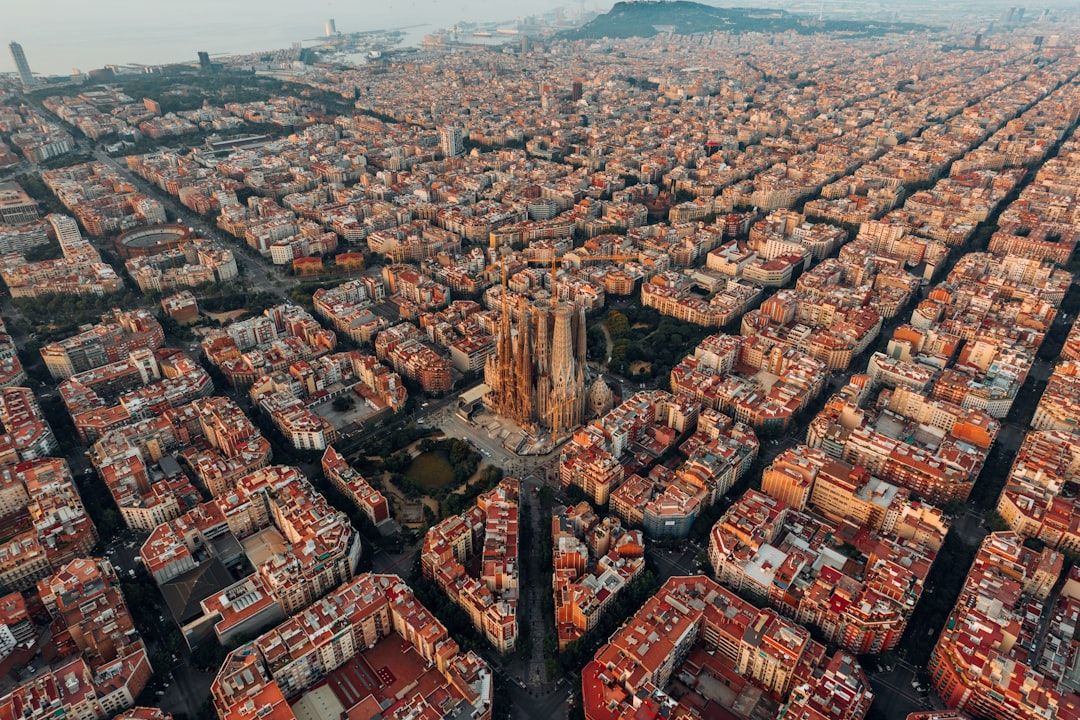
Barcelona's Modernisme is treated as one architect's work. It was a movement, and the buildings by the others are cheaper, emptier and in one or two cases better.
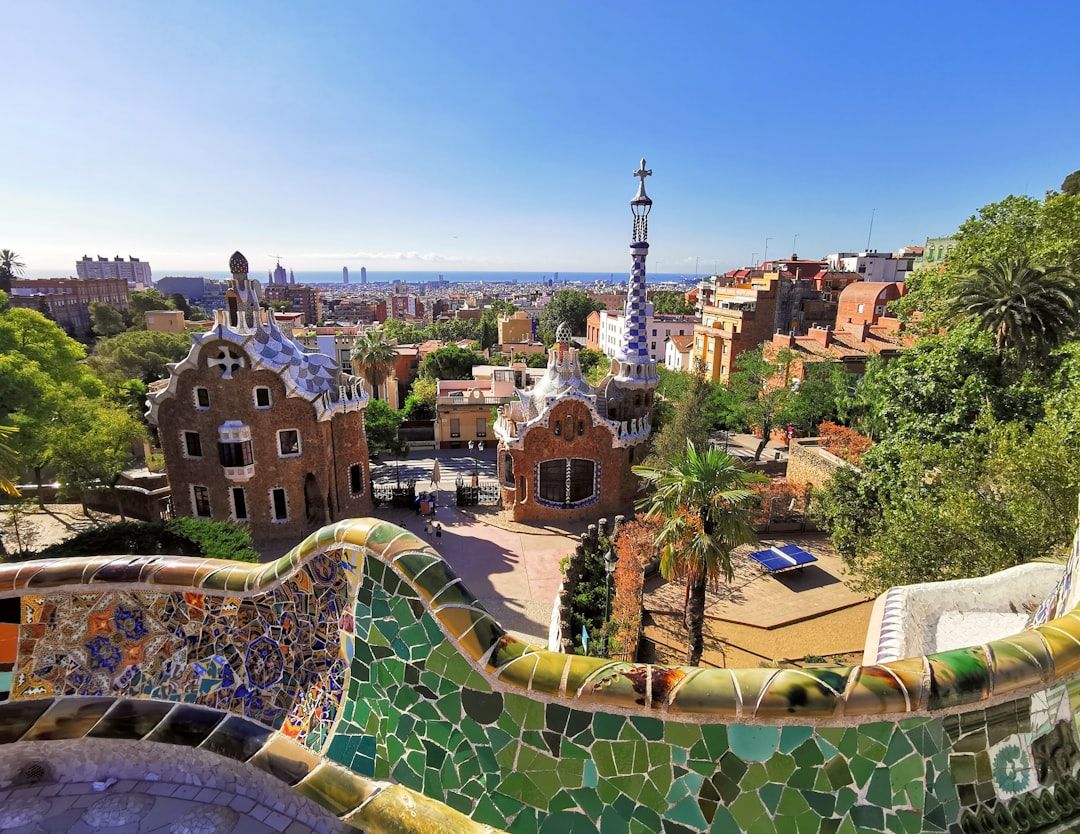
The Gaudí that justifies the queue
The Sagrada Família. The interior is the point and photographs do not convey it — light through coloured glass changes the whole space through the day. Blues and greens on the east side in the morning, reds and oranges on the west in the afternoon.
Timed entry, books ahead. Tower access is separate.
Park Güell. The wider park is free; the monumental zone with the mosaic terrace and the lizard requires a timed ticket. Visitors regularly arrive expecting one or the other to apply to the whole park.
Casa Batlló and La Pedrera, both on Passeig de Gràcia, both expensive and both timed. If choosing one, Casa Batlló's interior is the more striking.
The Modernisme that is not Gaudí
The Hospital de Sant Pau, by Lluís Domènech i Montaner. A complex of pavilions set in gardens, built as a working hospital on the principle that beauty aids recovery. A UNESCO site, and one of the most beautiful places in Barcelona.
It receives a small fraction of the Gaudí traffic and is a ten-minute walk from the Sagrada Família.
The Palau de la Música Catalana, also Domènech i Montaner — a concert hall with a stained-glass skylight hanging over the auditorium. Guided tours, or better, attend a concert.
Casa Amatller, next to Casa Batlló by Puig i Cadafalch, and part of the same block of competing facades.
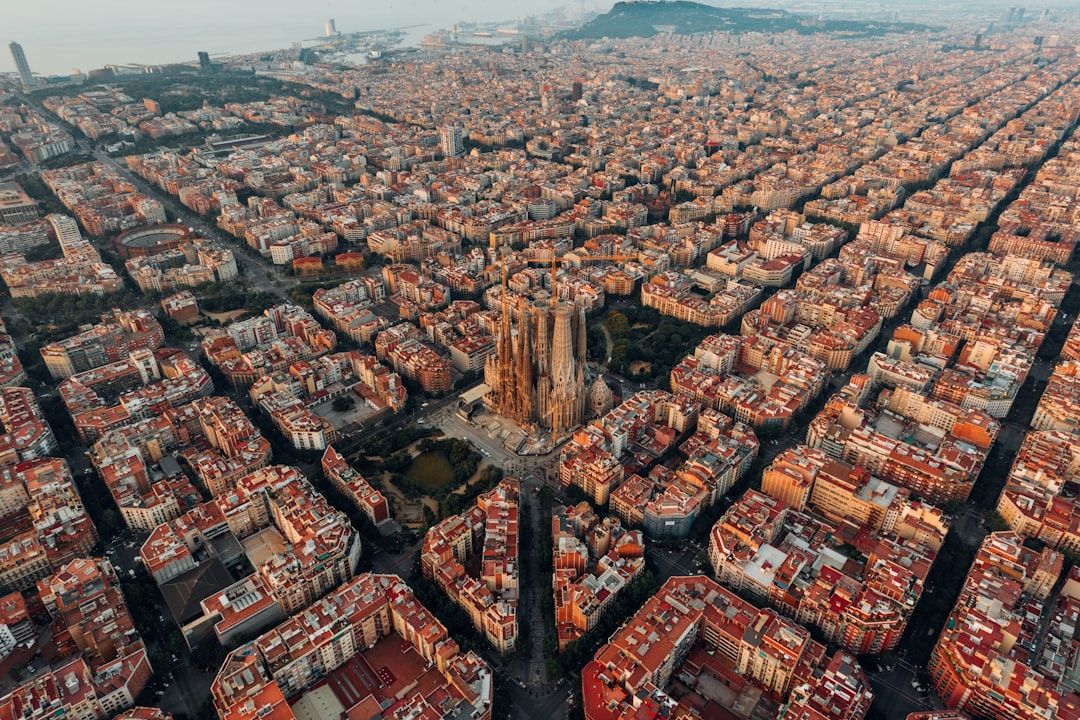
The older city
The Gothic Quarter — narrow medieval streets, the cathedral with its cloister of geese, and Roman walls visible in places.
El Born, adjacent — Santa Maria del Mar, a fourteenth-century church of extraordinary austerity after all the Modernisme, and the Picasso Museum.
El Raval, on the other side of the Ramblas, with the MACBA and a genuinely mixed neighbourhood.
Montjuïc
The hill, reached by funicular or cable car.
The Fundació Joan Miró, in a building designed for it.
MNAC — the national museum of Catalan art, holding Romanesque frescoes removed from Pyrenean churches, which are extraordinary and almost unknown.
The Olympic ring, the castle, and the gardens.
What to book
| Site | Note |
|---|---|
| Sagrada Família | Timed, sells out |
| Park Güell monumental zone | Timed |
| Casa Batlló / La Pedrera | Timed |
| Picasso Museum | Books ahead |
| Palau de la Música | Tour or concert |
Sant Pau, MNAC, the Gothic Quarter, Montjuïc and the beach are walk-in.
Practical
The Ramblas is a pickpocketing hotspot and is not where to eat. The streets either side are.
La Boqueria market is worth walking through and is expensive to eat in. Santa Caterina and Sant Antoni markets are better for that.
Gràcia, above the Eixample, is where to eat and drink in the evening.
Season: May, June, September and October. August is hot and the city is at capacity.