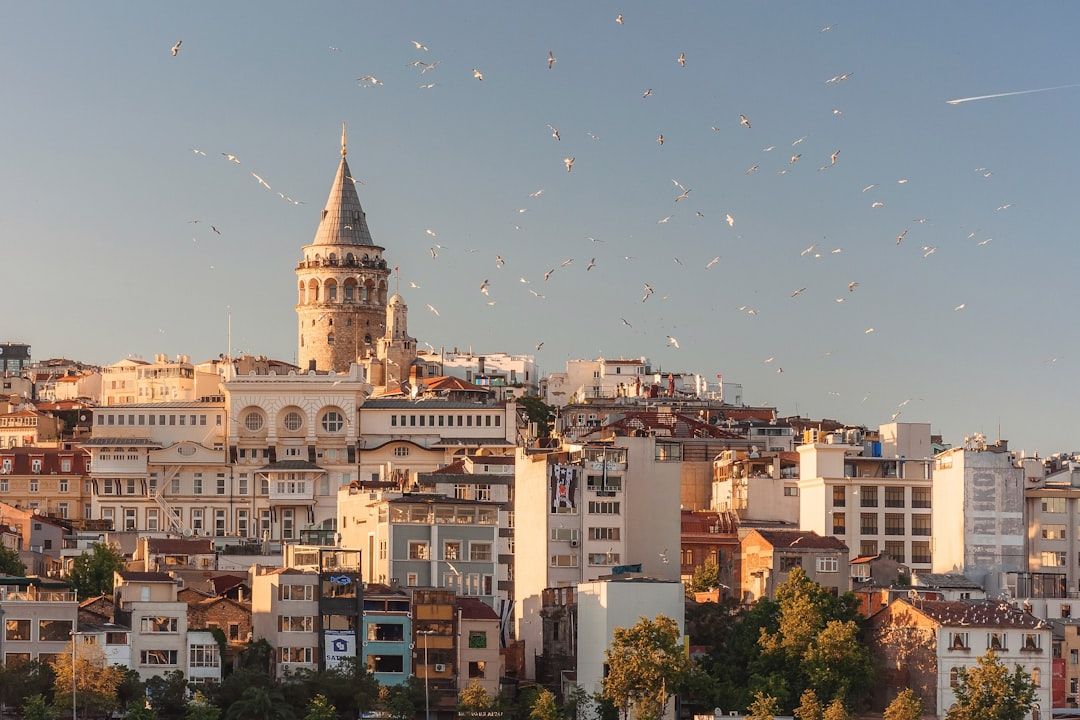
Istanbul's famous sights sit inside one square kilometre of the old peninsula. Almost everything else worth seeing is across water — the Golden Horn or the Bosphorus.
Sultanahmet: a day and a half
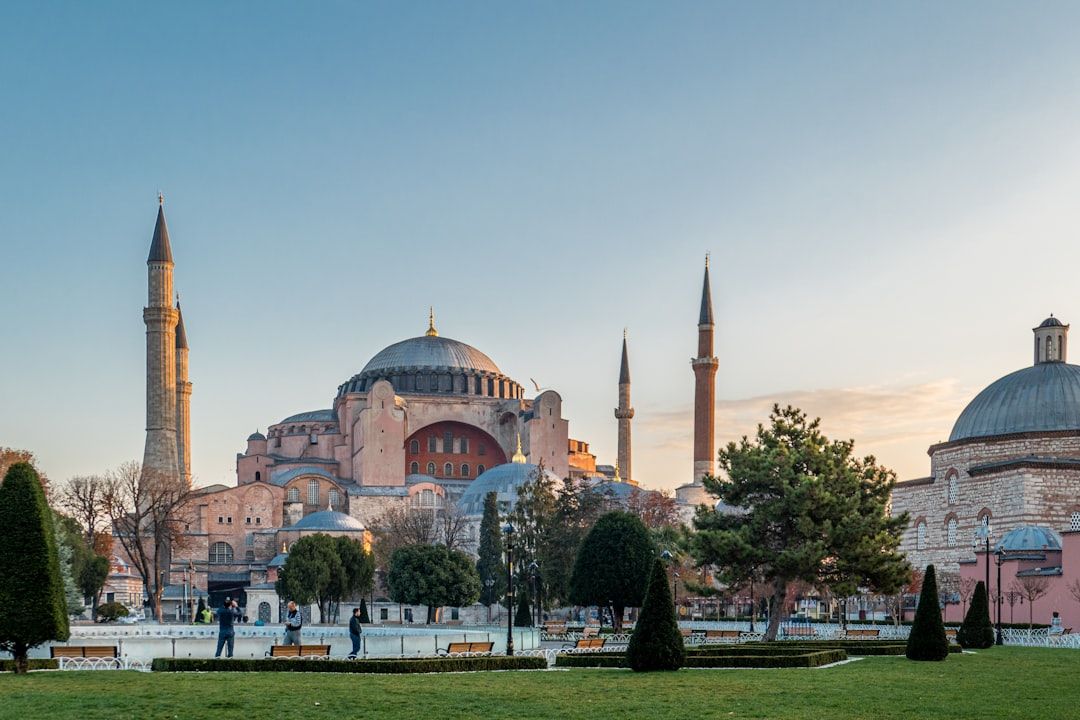
Hagia Sophia — a sixth-century Byzantine cathedral, then a mosque, then a museum, now a mosque again. The scale of the dome is the thing, and it was unmatched for a thousand years.
The Blue Mosque, opposite, still a working mosque with visitor hours around prayer times.
Topkapı Palace — the Ottoman court, with the Harem as a separate ticket that is worth adding.
The Basilica Cistern — an underground Byzantine reservoir with 336 columns and two Medusa heads used as bases.
The Archaeological Museums, which almost nobody visits and which hold the Alexander Sarcophagus.
The Grand Bazaar and Spice Bazaar, both nearby and both heavily oriented to visitors — the surrounding streets are where locals shop.
Across the Golden Horn
Karaköy and Galata — the tower, the coffee scene, and the steep streets up from the water.
Beyoğlu and İstiklal — the long pedestrian avenue with the historic tram, and the side streets which are better than the avenue itself.
Balat and Fener — the old Greek and Jewish quarters, coloured houses on steep lanes, and the most photographed streets in the city now, though still residential.
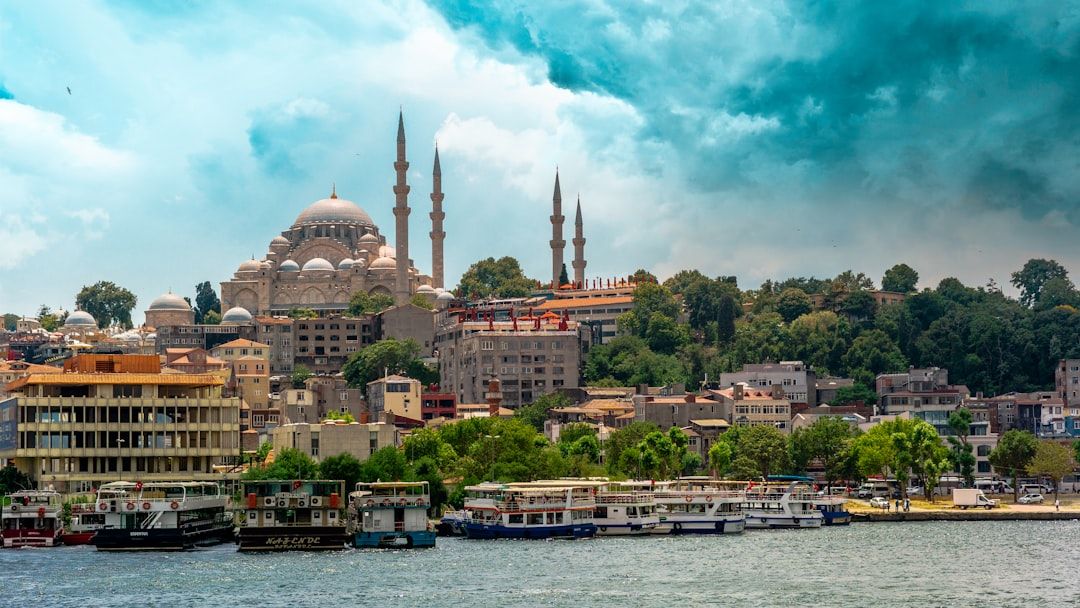
Süleymaniye Mosque, Sinan's masterpiece, on a hill with a terrace view over the Horn and considerably calmer than the Blue Mosque.
The Asian side
Twenty minutes by ferry, and very few visitors cross.
Kadıköy — the best food market in the city, and a bar and restaurant scene that is where young Istanbul actually goes. Prices are noticeably lower.
Moda, along the water from it, for the coastal walk.
Üsküdar, more conservative, with fine Ottoman mosques and the Maiden's Tower offshore.
The ferries
Public transport, not tours. The commuter ferries between Eminönü, Karaköy, Kadıköy and Üsküdar cost a normal fare on an İstanbulkart and give the best views in the city.
The full-Bosphorus ferry runs up toward the Black Sea and takes most of a day, stopping at Anadolu Kavağı.
Tea is sold on board. Sitting outside with one as the city passes is the single best hour in Istanbul.
Mosque etiquette
Shoulders and knees covered for everyone, hair covered for women, shoes removed.
Coverings are provided at major mosques.
Avoid the five daily prayer times and Friday midday, when mosques are closed to visitors or full of worshippers.
Practical
İstanbulkart for ferries, trams, metro, buses and the funiculars.
Where to stay: Sultanahmet for proximity to the sights and little else; Karaköy, Galata or Beyoğlu for a city that has evenings.
The carpet approach. A friendly stranger who strikes up conversation and steers you toward a shop is running the oldest routine in Istanbul. It is not dangerous, just persistent.
Season: April to June and September to October. Summer is hot and humid; winter is grey and wet with occasional snow.