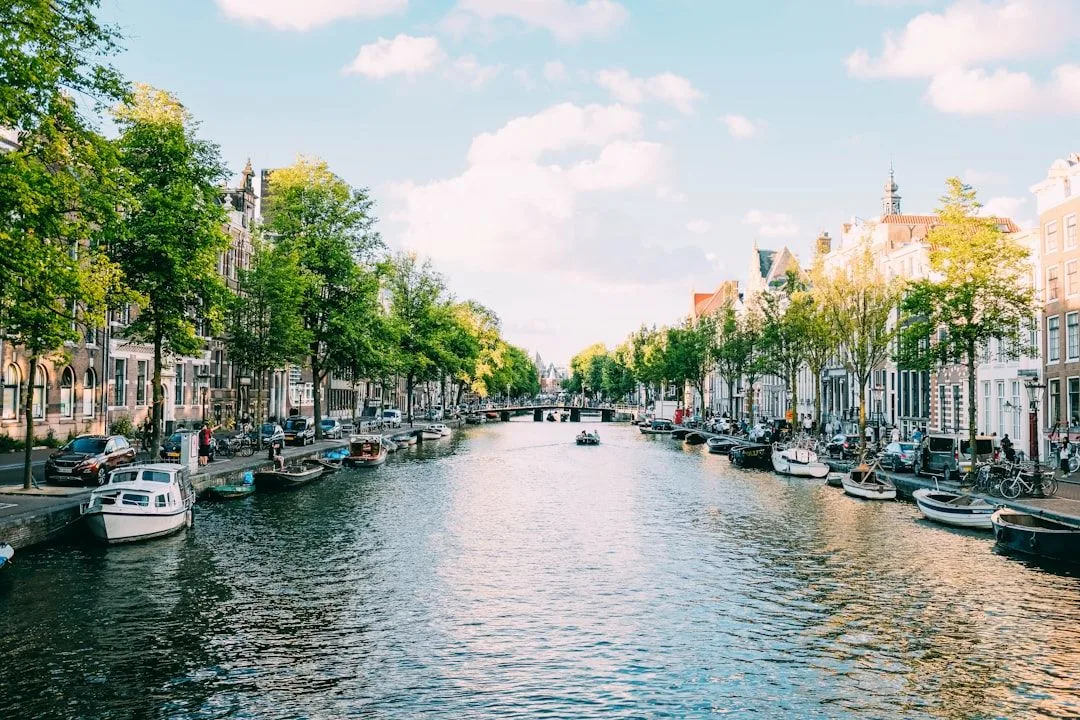
Paris's sights are famous individually and clustered geographically. Visiting them in map order rather than in order of fame saves several hours of crossing the city.
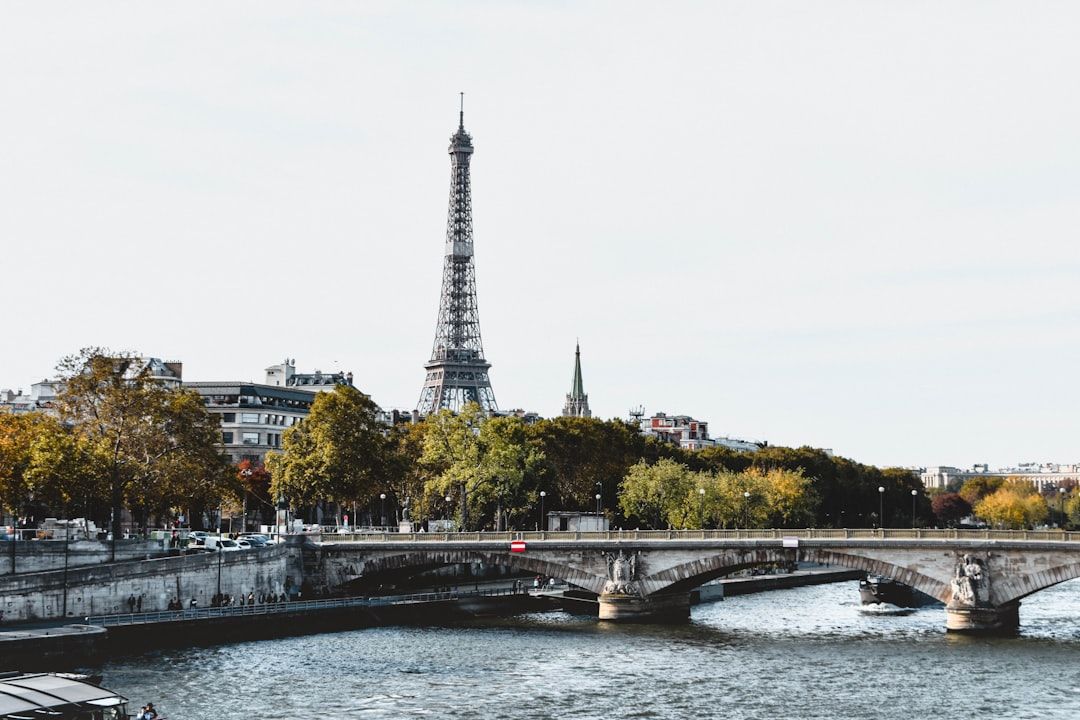
The grand axis
One continuous walk, and the best first day.
The Louvre — booked timed entry, even with a museum pass. Three hours, or one focused hour if galleries tire you. The Denon wing holds the famous works and the crowd; the Richelieu wing is nearly empty.
Out through the Tuileries, past the Musée de l'Orangerie with Monet's water lilies in two oval rooms built for them.
Place de la Concorde, the Champs-Élysées, and the Arc de Triomphe — whose rooftop view is better than the Eiffel Tower's, because it includes the Eiffel Tower.
Reach the Arc by the underground passage, not across the traffic circle.
The island and the left bank
Île de la Cité — Notre-Dame, Sainte-Chapelle with its walls of thirteenth-century glass, and the Conciergerie.
Sainte-Chapelle uses timed entry and is small; go early and on a bright day, since the glass needs light.
Then the Latin Quarter, the Panthéon, the Jardin du Luxembourg, and Saint-Germain.
The Musée d'Orsay, in a converted railway station, holds the Impressionists and is the museum most people prefer to the Louvre.
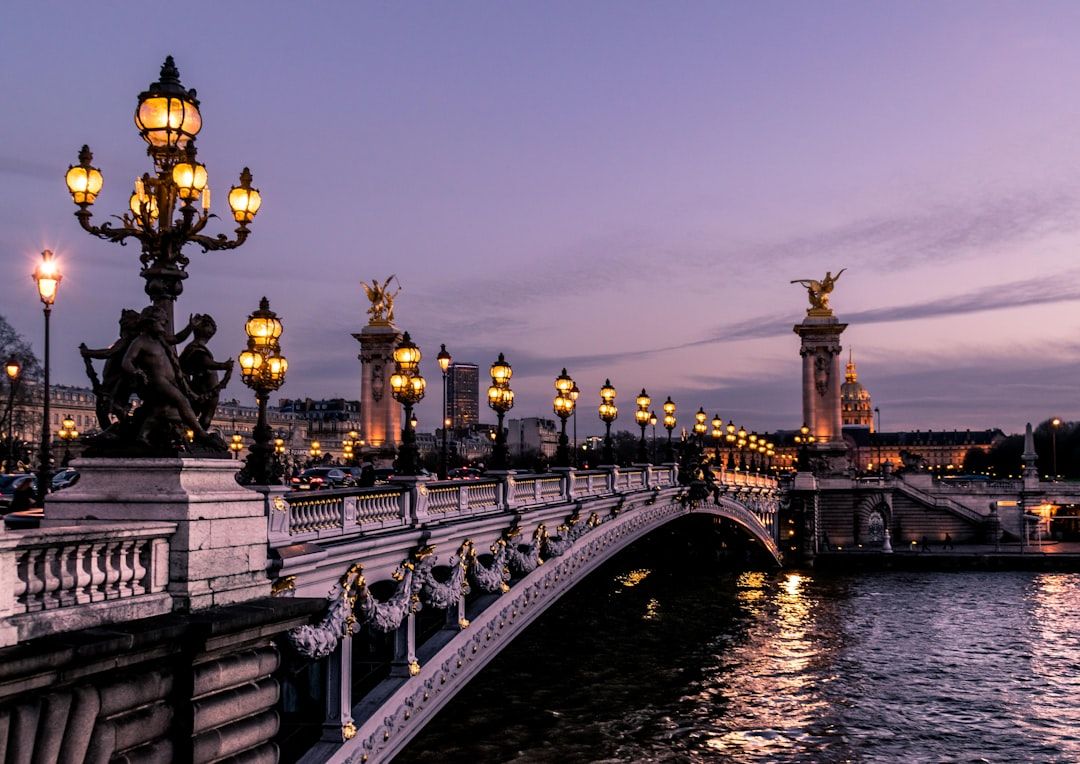
The separate trips
Montmartre — the Sacré-Cœur, the streets behind it, and Place du Tertre which is a tourist trap surrounded by a real neighbourhood. Walk up rather than taking the funicular; the approach is the point.
The Eiffel Tower, at the opposite end. The second level gives the better city view — you can see the streets and the tower's own structure. The summit is higher and more distant.
The Marais — the old Jewish quarter, Place des Vosges, the Picasso Museum, and the best walking in the city.
What to book
| Site | Note |
|---|---|
| Louvre | Timed reservation required, pass or not |
| Eiffel Tower summit | Sells out |
| Sainte-Chapelle | Timed entry |
| Catacombs | Timed entry, long queue without |
| Versailles | Timed entry, very busy |
Everything else is walk-in.
How long
Four days is the practical minimum for a first visit at a reasonable pace.
Three works if you cut one large museum.
A week allows Versailles or Giverny and time in the arrondissements visitors never reach — the 11th, the 20th, Belleville.
Practical
The metro is dense and cheap; almost nowhere is more than 500 metres from a station. A carnet of tickets or a Navigo pass beats single fares.
Walk more than you plan to. Paris rewards it and the metro hides the city.
Coffee standing at the bar costs a third of the terrace price, and both are posted.
Lunch, not dinner — the formule midi is roughly half the evening price at the same restaurant.