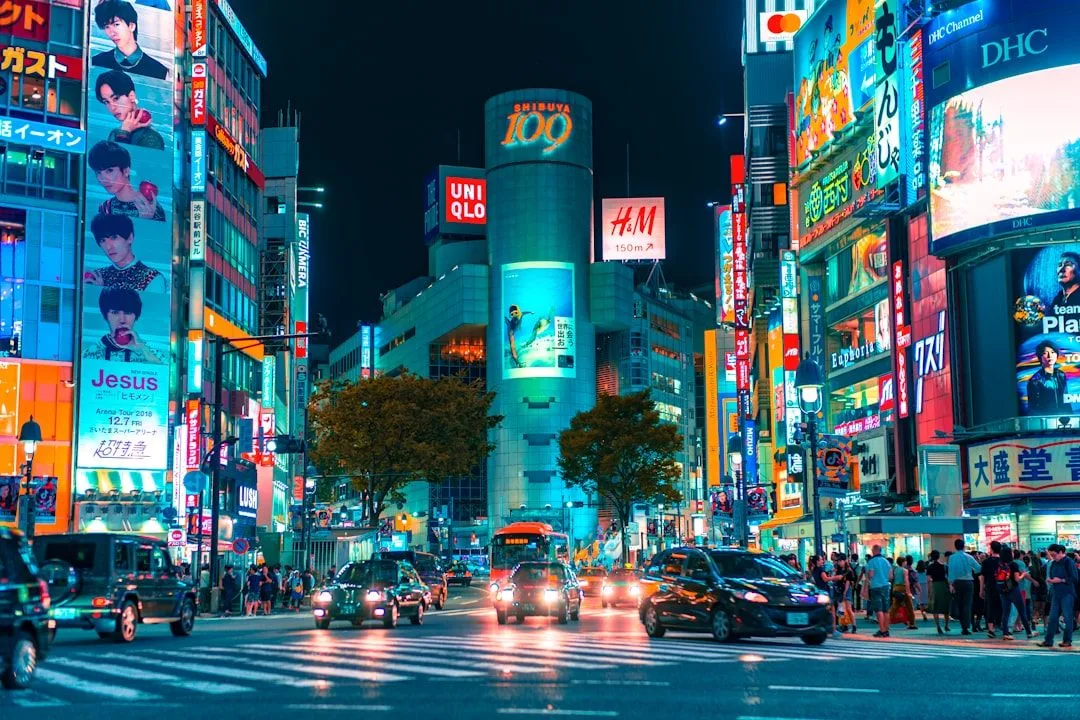
Tokyo's streets are the attraction, which raises the bar for anything that charges admission. A handful clear it comfortably.
Clearly worth it
teamLab. Immersive digital installations that respond to the people in them — genuinely unlike anything else, and photographs cannot prepare you for it.
Booked timed slot required. Wear something you can move in and expect wet feet in one section.
The Tokyo National Museum, Ueno. The finest collection of Japanese art anywhere — swords, screens, ceramics, Buddhist sculpture. Modestly priced, rarely crowded, and consistently skipped by visitors chasing newer things.
The Ghibli Museum, if you can get in. Tickets go on sale on a fixed monthly schedule and are gone within minutes. No walk-up option, no alternative supply. Set a reminder.
A sumo tournament, if the dates align — six a year, three of them in Tokyo. Otherwise a stable morning practice, arranged through an operator.
The tower question
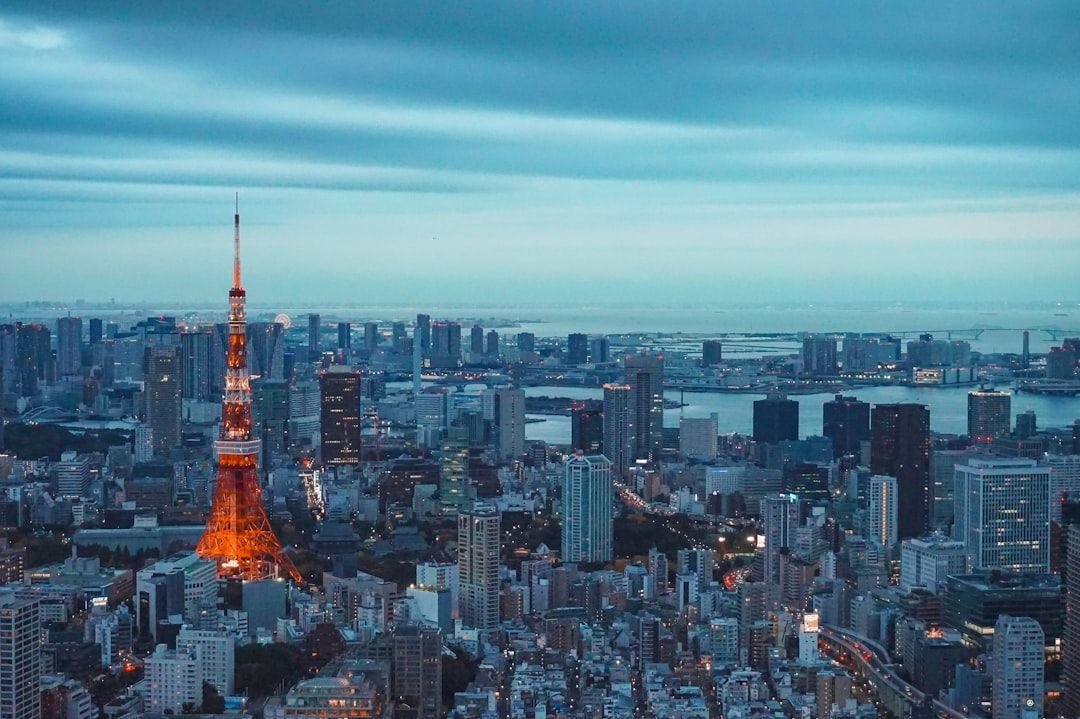
The Tokyo Metropolitan Government Building in Shinjuku has two observation decks at 202 metres, free, with an excellent view. Fuji is visible on clear winter days.
The Skytree is far higher and ticketed. For most visitors the difference does not justify the price.
Tokyo Tower is the older, red one — worth seeing from outside more than from inside.
Shibuya Sky, on top of Scramble Square, is the one paid deck with a genuine argument: it looks down on the famous crossing.
Free and better than most ticketed things
Meiji Shrine and its forest — 100,000 trees donated from across Japan, planted in the 1920s and now looking ancient.
Senso-ji in Asakusa, the oldest temple in the city.
The Imperial Palace East Gardens.
Every neighbourhood — Yanaka, Shimokitazawa, Koenji, Kagurazaka, Nakameguro.
Department store basements, the depachika food halls, free to walk through and remarkable in their own right.
Tsukiji outer market, still operating after the inner market moved to Toyosu.
Reconsider
Robot Restaurant-type shows. Expensive spectacle aimed entirely at visitors.
Themed cafés generally — the animal ones raise real welfare questions, and the others are gimmicks at a markup.
Tokyo Disney. Excellent, and it is a full day that could be Japan instead.
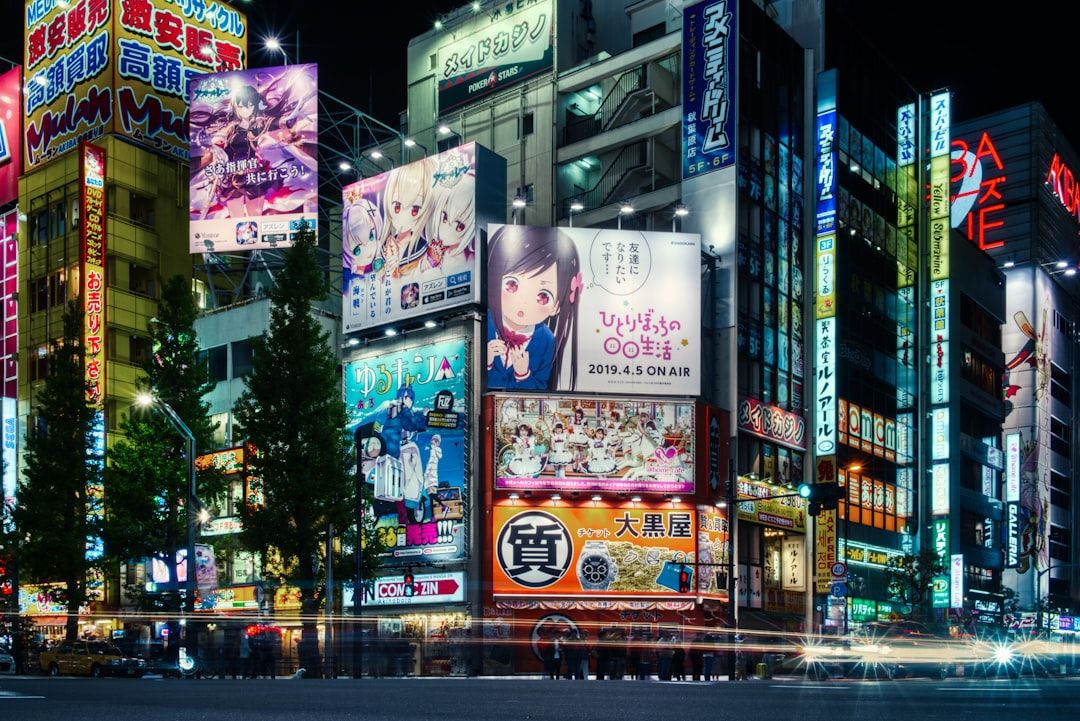
Day trips that beat city attractions
| Destination | Time | What |
|---|---|---|
| Kamakura | 1h | Great Buddha, temples, coast |
| Nikkō | 2h | Elaborate shrines, mountains |
| Hakone | 1h30 | Onsen, Fuji views, open-air museum |
| Kawagoe | 45min | Edo-period warehouse streets |
Kamakura in particular gives more in a day than most Tokyo attractions give in an afternoon.
Practical
Suica or Pasmo for local transport. No JR Pass for a Tokyo-only trip.
Book teamLab and Ghibli as soon as dates are fixed. Nothing else in Tokyo needs advance booking.
Cash at small restaurants and shrines.