Egypt's monuments follow the Nile for 900 kilometres. The transport plan is therefore the itinerary, and it comes down to three choices.
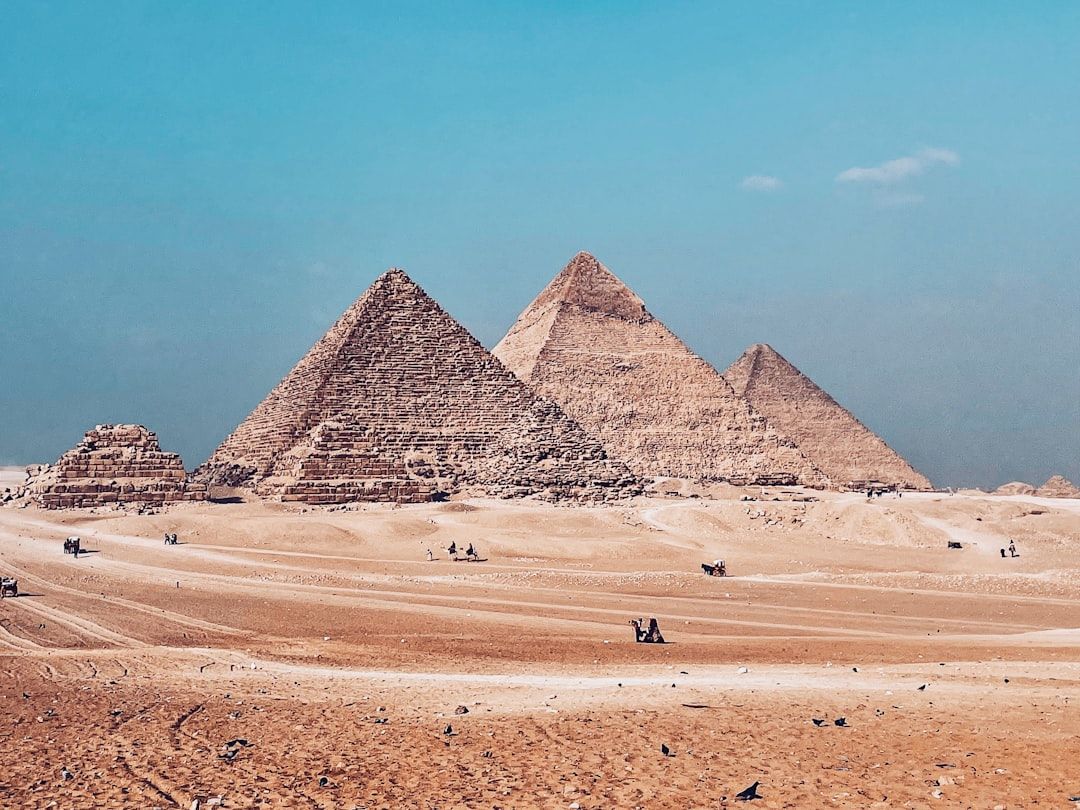
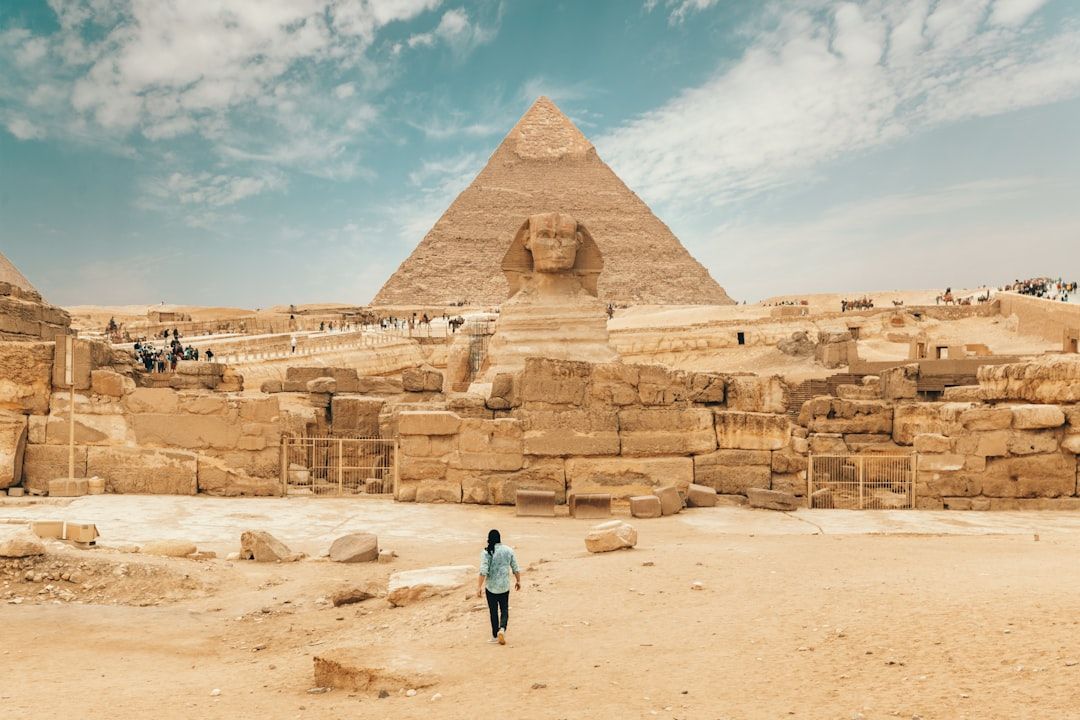
Cairo and Giza
The Giza pyramids, on the edge of the city rather than in remote desert — the suburbs reach the plateau, which surprises people.
Go at opening. Entering a pyramid is a separate ticket and involves a low, steep, hot passage; the Great Pyramid's is the most demanding.
Saqqara, with the Step Pyramid — older than Giza and considerably quieter.
Dahshur, with the Bent and Red pyramids, almost empty.
The Grand Egyptian Museum near Giza, holding the Tutankhamun collection. Check current opening arrangements, which have changed through its phased opening.
Islamic Cairo — the Khan el-Khalili bazaar, the mosques, the Citadel — which most Nile itineraries skip entirely and which is a full day.
Coptic Cairo, the old Christian quarter.
Luxor: two banks
The division is not arbitrary — the ancient Egyptians associated the setting sun with death.
East bank, for the living: Karnak, which is enormous and took two thousand years to build, and Luxor Temple, best at night when it is lit.
West bank, for the dead: the Valley of the Kings — the standard ticket covers three tombs, with Tutankhamun and Seti I as separate additions. Hatshepsut's temple cut into the cliff. The Colossi of Memnon. The Valley of the Queens with Nefertari's tomb, expensive and extraordinary.
Two full days minimum for Luxor. Most cruise itineraries give it one.
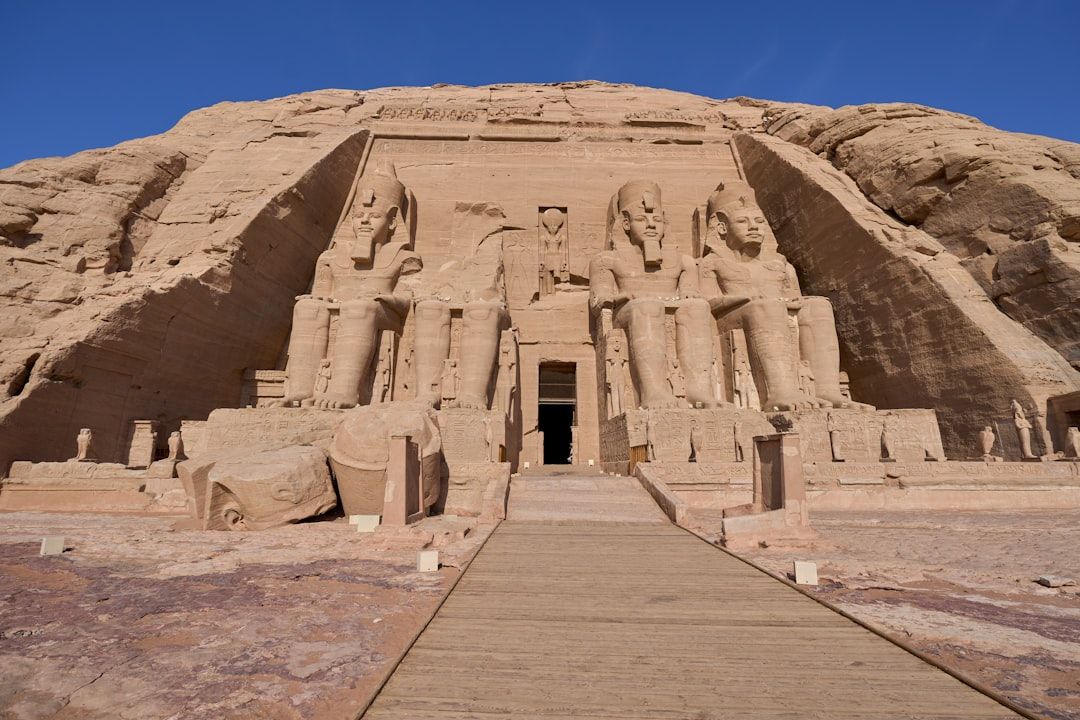
Aswan and Abu Simbel
Aswan — Philae temple on its island, the Nubian villages, the botanical garden, and the calmest stretch of the Nile.
Abu Simbel, three hours south by road or a short flight. The two rock-cut temples were relocated in the 1960s to save them from Lake Nasser — cut into blocks and reassembled on higher ground, with the seams still visible.
Most visitors go for sunrise, which means leaving Aswan around 4am.
Getting between them
| Route | Options |
|---|---|
| Cairo–Luxor | 1h flight, or overnight sleeper train |
| Luxor–Aswan | Short flight, 3h train, or 3–4 day cruise |
| Aswan–Abu Simbel | 3h road convoy, or flight |
The Nile cruise between Luxor and Aswan doubles as accommodation and stops at Edfu and Kom Ombo. It is the classic way and it is also slow — check how much time it actually allows at Luxor, which is frequently too little.

How long
Ten to fourteen days for Cairo, Luxor and Aswan at a reasonable pace.
A week means skipping Aswan or spending most of it in transit.
The Red Sea and Sinai are a separate trip that does not combine well with the Nile sites in under two weeks.
Practical
Season: October to April. Summer in Upper Egypt exceeds 40°C and the sites have no shade.
Guides are genuinely useful here — Egyptology is not self-explanatory and the signage is limited. Licensed guides carry credentials.
Persistent selling at the sites is constant. A firm, polite la shukran and continuing to walk is the approach.
Carry small notes for tips, which are expected widely.
Check current travel advice for specific regions before booking, and note that Sinai and the western desert carry different advisories from the Nile valley.