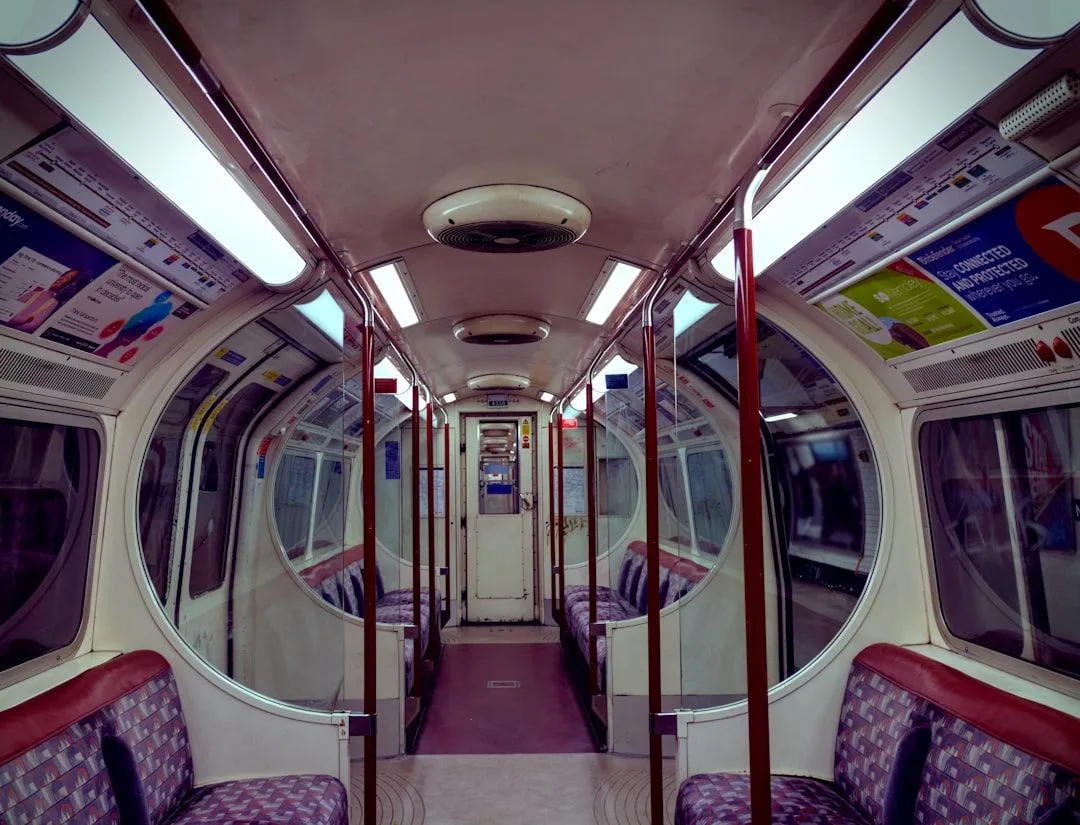
Tokyo is not one city. It is a set of former towns absorbed into a metropolis, each with its own character, and choosing districts by what you want works better than working through a list of sights.
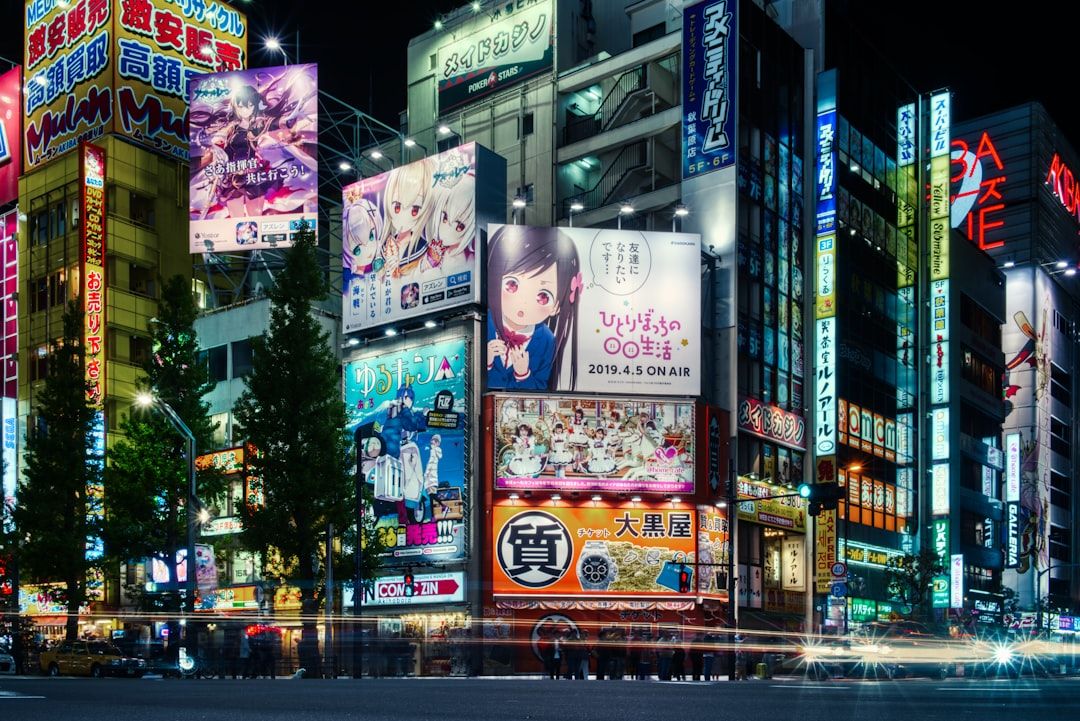
The loud ones
Shibuya — young, fashion-driven, centred on the crossing. The crossing itself is a two-minute sight, best at night in the rain, viewed from the Starbucks above it or the free lower floors of Shibuya Scramble Square.
Behind it: Center Gai, the record shops, and Nonbei Yokocho's tiny bars.
Shinjuku — larger and more varied. The world's busiest station, the skyscraper district with the free observation decks at the Metropolitan Government Building, Golden Gai's alleys of six-seat bars, Omoide Yokocho for grilled skewers under the tracks, and Kabukicho's nightlife.
Shinjuku Gyoen, the garden, is the counterweight to all of it.
The old ones
Asakusa — Senso-ji temple, the Nakamise approach lined with stalls, and the atmosphere of pre-war Tokyo, heavily touristed but genuine underneath.
Yanaka — the northeast, which survived both the 1923 earthquake and the wartime bombing largely intact. Wooden houses, a long shopping street, temples, a cemetery of cherry trees. Residential rather than preserved, which is the difference.
Ueno — the park, the Tokyo National Museum which is the best collection of Japanese art anywhere, and Ameyoko market beneath the railway.
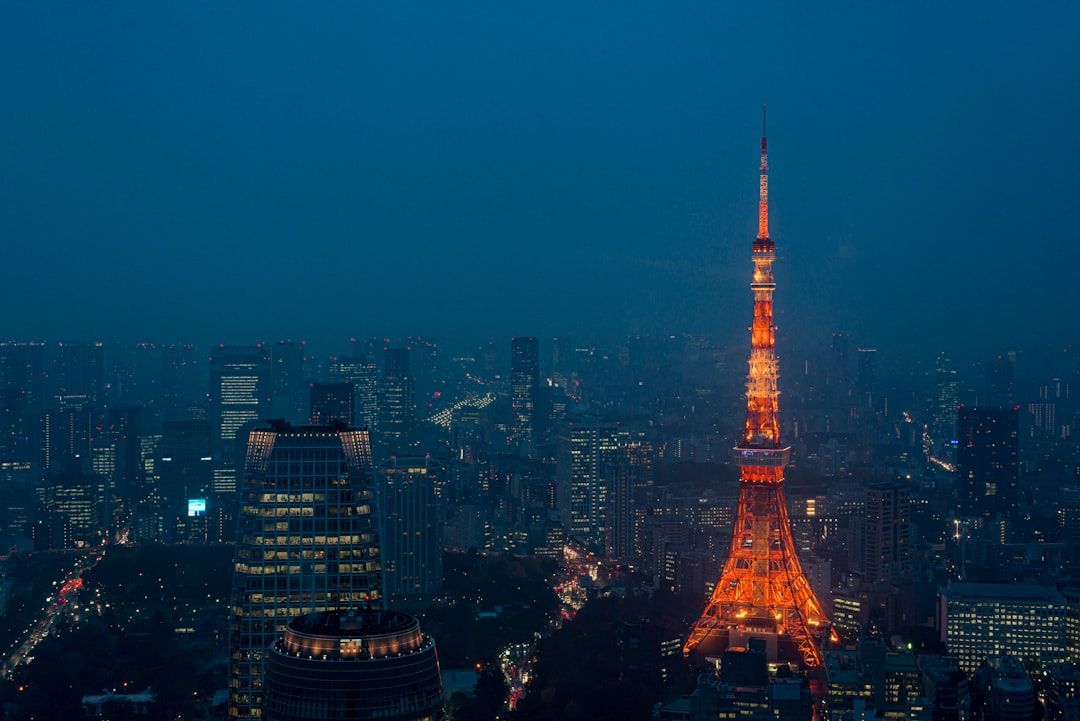
The quiet ones
Shimokitazawa — vintage shops, small live music venues, coffee, and no tall buildings. The neighbourhood young Tokyo actually likes.
Kagurazaka — stone-paved lanes, former geisha quarter, French bakeries.
Koenji — punk, second-hand, and standing bars.
Nakameguro — a canal lined with cherry trees, and the boutiques along it.
The formal ones
Marunouchi and Tokyo Station — the restored red-brick station, the Imperial Palace East Gardens, and the business district.
Ginza — department stores, galleries, and the basement food halls which are free to walk through and remarkable.
Harajuku and Omotesando — Takeshita Street's youth culture at one end and architect-designed flagship stores at the other, with Meiji Shrine and its forest between them.
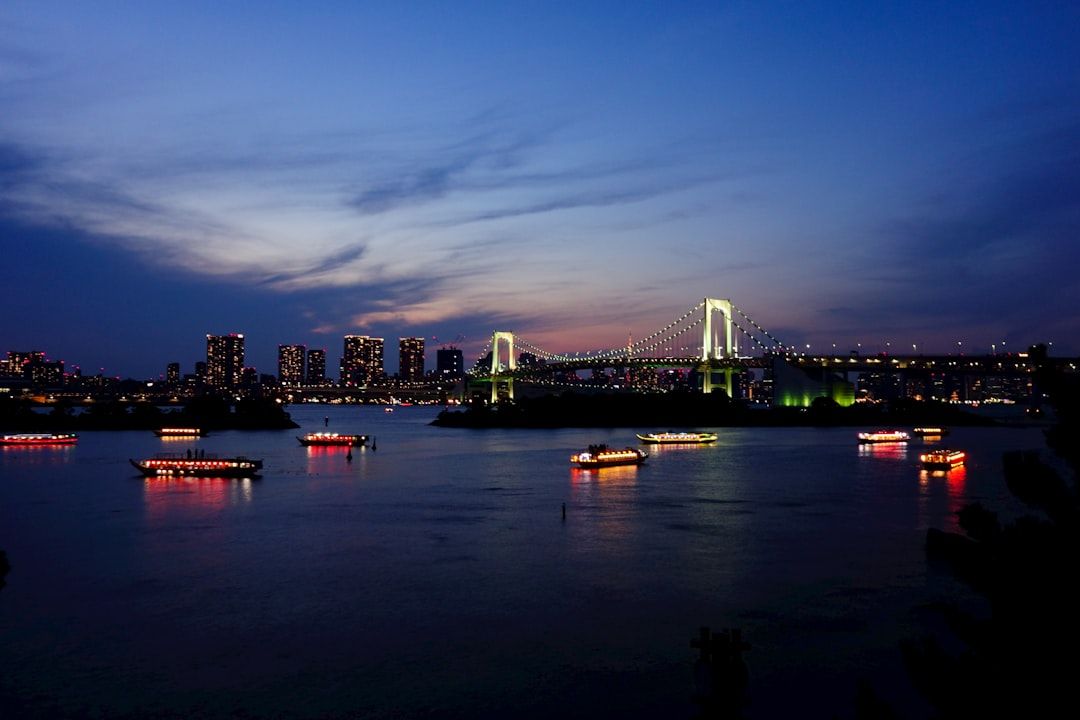
The waterfront
Odaiba — reclaimed island, teamLab, and the view back at the city.
Toyosu market, which replaced Tsukiji's inner market. Tsukiji outer market still operates and is where the eating is.
Where to stay
Near a station on the Yamanote loop, which connects most of these.
Shinjuku and Tokyo Station for onward connections. Shibuya for nightlife. Asakusa or Ueno cost less and remain well connected.
Practical
Suica or Pasmo IC card for all local transport.
No JR Pass for a Tokyo-only trip — it is priced for intercity travel and cannot pay off locally.
Last trains around midnight, then nothing until roughly 5am. Missing the last train is a defining Tokyo experience and an expensive taxi.
Cash at small restaurants and shrines; 7-Eleven ATMs take foreign cards.